Magic: The Gathering
416 sets, daily TCGplayer market prices
Set prices +0.5% vs 4 weeks back →
1,825 card printings broke away from their set in 28 days →
Latest sets
- Reality FractureOct 2026
- The HobbitAug 2026
- Marvel Super HeroesJun 2026eBay checked daily
- Secrets of Strixhaven: Mystical ArchiveApr 2026
- Secrets of StrixhavenApr 2026eBay checked daily
- Teenage Mutant Ninja Turtles Source MaterialMar 2026
- Teenage Mutant Ninja TurtlesMar 2026eBay checked daily
- Lorwyn EclipsedJan 2026eBay checked daily
Cards breaking away
TCGplayer market price at each move's end, through Oct 21, 2026
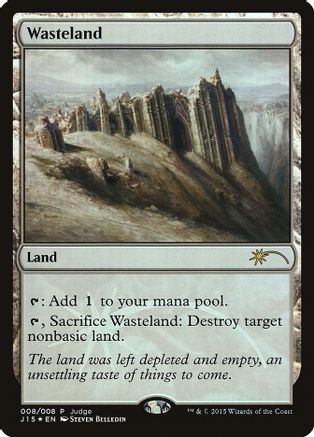
+152%, $160, week of Sep 21
Wasteland (J15)
Judge Promos (Foil)
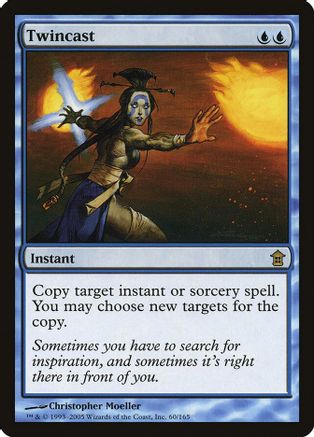
+113%, $150, week of Sep 21
Twincast
Saviors of Kamigawa (Foil)
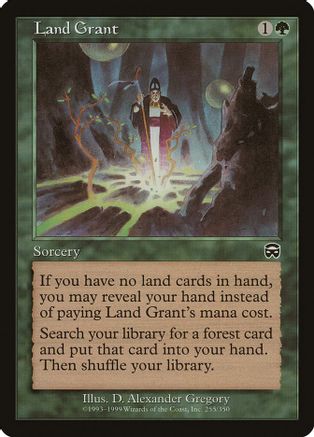
+108%, $145, week of Sep 21
Land Grant
Mercadian Masques (Foil)

+101%, $648, week of Sep 21
Ian Malcolm, Chaotician (Borderless) (Emblem)
Universes Beyond: Jurassic World Collection (Foil)
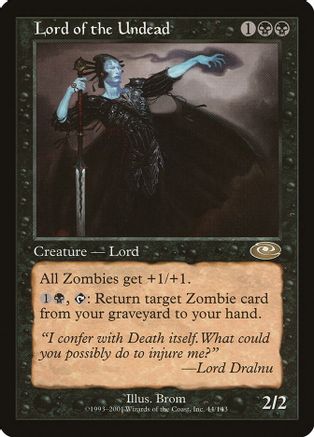
+92%, $200, week of Sep 21
Lord of the Undead
Planeshift (Foil)
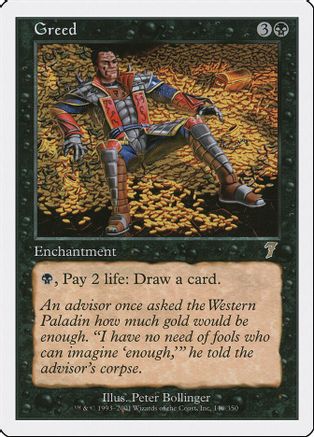
+78%, $126, week of Oct 5
Greed
7th Edition (Foil)
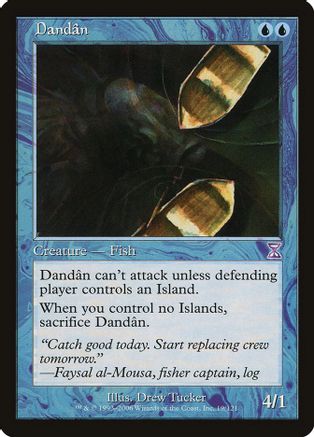
+75%, $144, week of Sep 21
Dandan
Timeshifted (Foil)
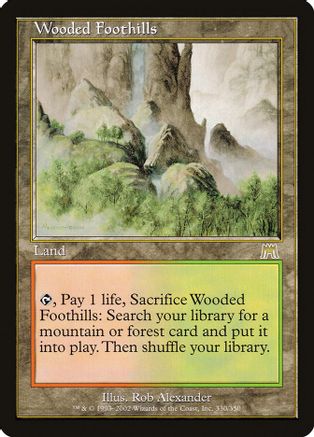
+75%, $1,400, week of Oct 19
Wooded Foothills
Onslaught (Foil)
Moves beyond the card's set over 28 days, $100 and up.
Sets with eBay listings checked daily
| Set | Cards | Price change | 28d change |
|---|---|---|---|
| Foundations | 21 | −9.1%since release Nov 2024 | +2.1% |
| Edge of Eternities: Stellar Sights | 38 | −0.3%since release Aug 2025 | +2.1% |
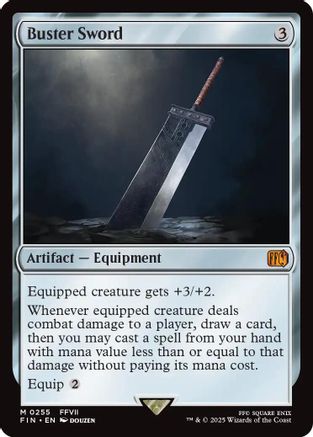
| FINAL FANTASY | 30 | +5.6%since release Jun 2025 | +1.8% |
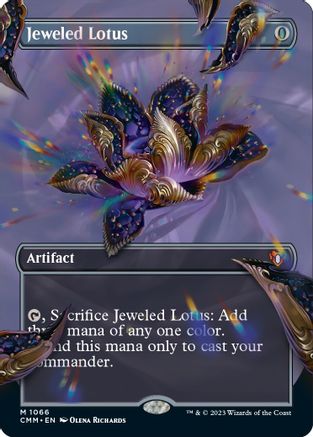
| Commander Masters | 23 | +88.0%since Feb 2024 | +0.8% |
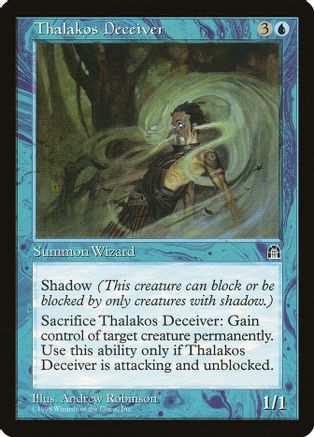
| Stronghold | 30 | +53.9%since Feb 2024 | −0.3% |
| Secrets of Strixhaven | 13 | −28.1%since release Apr 2026 | −1.2% |
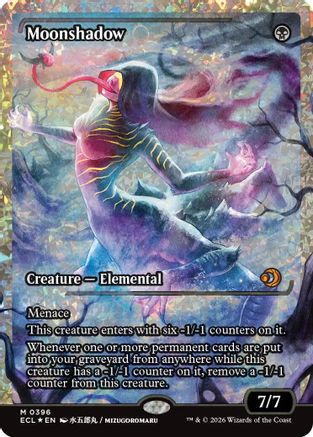
| Lorwyn Eclipsed | 31 | −23.0%since release Jan 2026 | −1.9% |
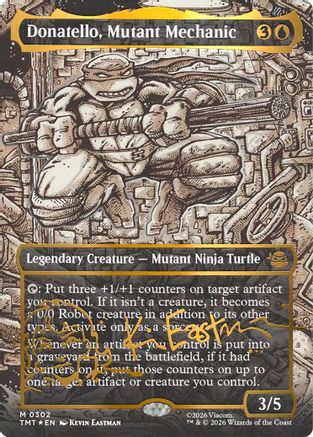
| Teenage Mutant Ninja Turtles | 34 | −34.5%since release Mar 2026 | −2.9% |
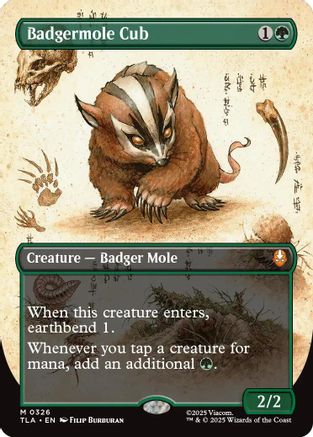
| Avatar: The Last Airbender | 29 | −22.8%since release Nov 2025 | −3.9% |
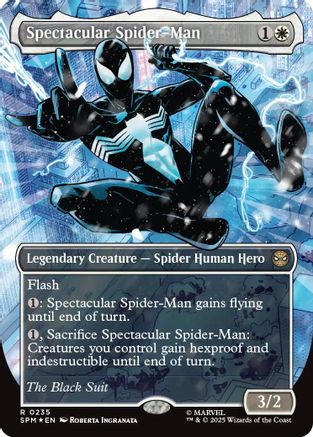
| Marvel's Spider-Man | 28 | −18.1%since release Sep 2025 | −4.2% |
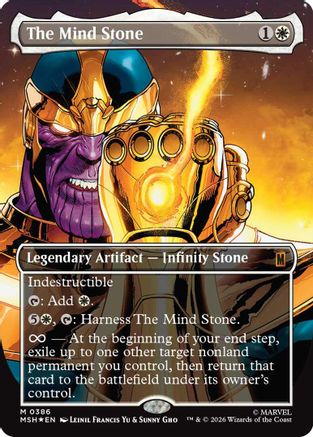
| Marvel Super Heroes | 10 | −10.2%since release Jun 2026 | −5.7% |
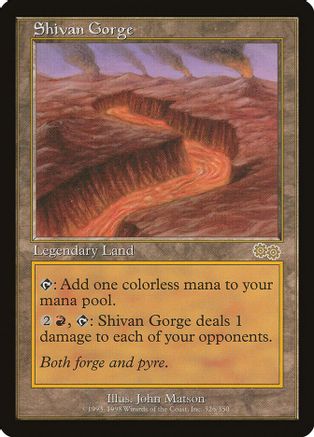
| Urza's Saga | 33 | — | — |
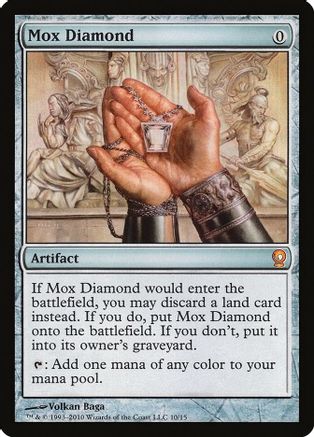
| From the Vault: Relics | 15 | — | — |

Cards: whose eBay listings were checked today, not the set's full roster. 28d: against the weekly close 4 weeks back (Sep 23).
every tracked Magic: The Gathering set
416 sets, by era
Post-20202020-present156 sets
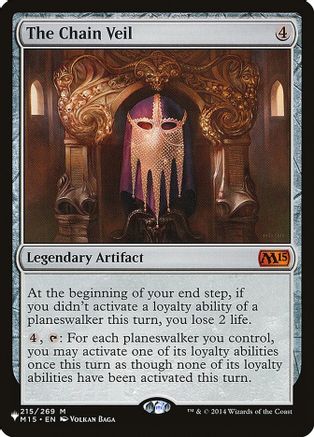
Lord of the Rings, Marvel, Final Fantasy. Universes Beyond IP crossovers are now core to the product.
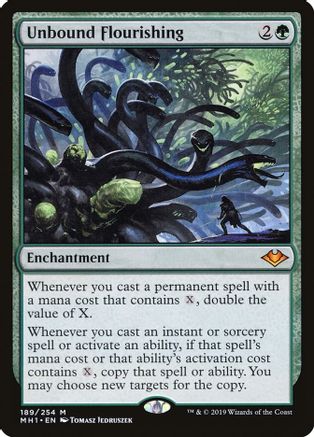
Early Expansions1994-199713 sets
Arabian Nights through Weatherlight. Tempest block revolutionized design.
Alpha/Beta1993-199412 sets
The beginning. Black Lotus, Moxen. Cards designed without balance in mind.
Formats: Standard, Modern, Pioneer, Legacy, Vintage, Commander, Pauper
The first trading card game, created by Richard Garfield in 1993. 30+ years of continuous releases. The Reserved List guarantees certain old cards will never be reprinted. Universes Beyond (crossover IPs like Marvel, Final Fantasy) is now a major product line.
Commander demand moves singles prices more than Standard. A reprint typically lowers a card's price; Reserved List cards are never reprinted, so that cannot happen to them.
Upcoming releasesNov 13 Commander: Star TrekNov 13 Star Trek
On average, a new MTG set's cards worth $0.50 or more, weighted by price, are about 32% below the set's release-week level in weeks 26 to 30. About 20% of that drop came in the first week after release, 60% within about 6 weeks and 80% within about 12. The level was still falling over weeks 20 to 30, and week 30 is as far as we measure, so how far it falls is not known. A card's price change from one week to the next counts only when both of those prices are $0.50 or more. Single sets can land well away from that.